Showing posts with label chicken. Show all posts

Sunday, June 24, 2012

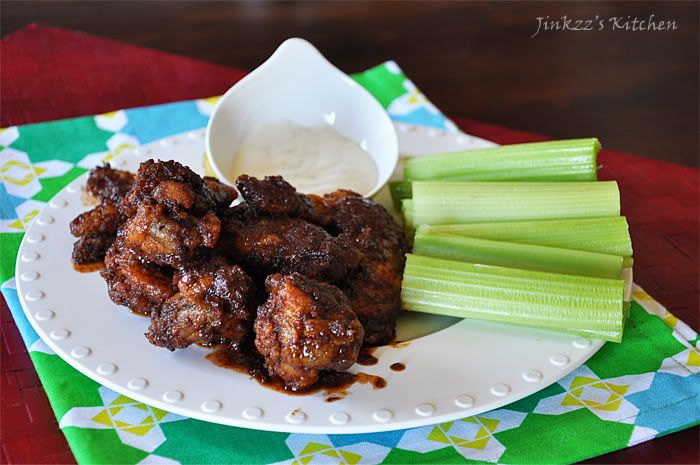
Chicken Wings in Cocoa-Hot Sauce

I like spicy chicken wings... I usually order a serving every time I place an order for pizza.  There is just something about it that can get very addicting and yummy.  They can be very messy to eat but I guess that is part of the charm in eating hot wings especially if you use your hands instead of the utensils :)

This recipe for chicken wings is based on a Good Housekeeping cookbook that my sister-in-law gave me recently.  I used cocoa powder instead of grated dark chocolate since I didn't have any in the house.  The result is a decadent variation of the classic hot wings that I do like very much.

Cooking this takes a few steps and several cooking vessels so be prepared to wash a mountain of dirty dishes afterwards...hehehe. I used one cooking pot for frying the chicken wings and another for the sauce.  I also used several plates for the preparation which was my mistakes since I should have used a ziplock bag for dredging the wings in seasoned flour.  That would have saved me a little bit of time and fewer dirty dishes...

The recipe calls for a cup of butter but I cut it down to half and still got a good result.  I do not like my food too greasy anyway so it worked out well.  Instead of using a regular hot sauce to make the dish spicy, I used a combination of kochukaro (Korean powdered chili) and Sriracha (Vietnamese hot sauce).  The kochukaro don't dissolve well so the sauce can be a little gritty but I liked it anyway.  You can adjust the spices to suit your taste but the proportion that I used (1 Tbsp kochukaro and 2 Tbsp Sriracha) was good enough for me- not too spicy but with enough hint of spiciness. 
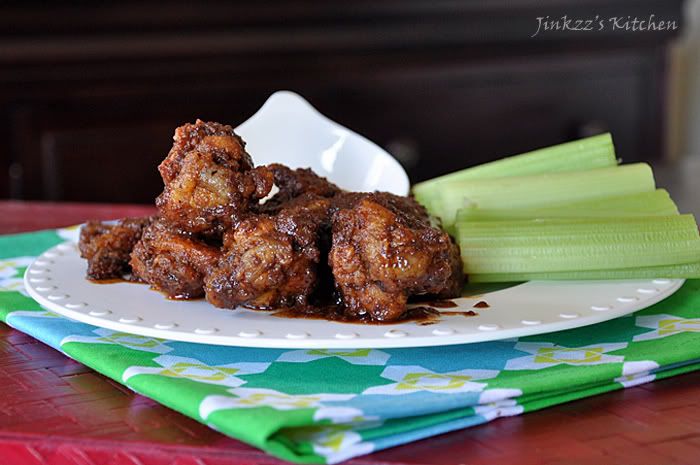

Dredging the chicken wings in seasoned flour before frying not only gives it a nice flavor but also makes it crunchy even after the sauce has been added.  I think that if you do not dredge the chicken wings in flour prior to frying, the wings will become soggy once the sauce is added.  The addition of cocoa powder in the sauce gives it a darker color and deeper flavor than normal hot wing sauce.  

Ingredients:

2 lbs chicken wings
3/4 All-purpose flour for dredging
sea salt and freshly ground pepper, according to taste.
1 Tbsp cocoa powder
2 Tbsp Sriracha hot sauce
1 Tbsp kochukaro (Korean chili powder)
1/2 cup butter, room temp
oil for frying

1. In a bowl, combine flour with salt and ground pepper.  Mix thoroughly

2. Dredge chicken wings in flour mixture, remove excess and set aside.

3. Heat oil in a deep pan.  Add a few chicken wings at a time and cook until done.  Remove from heat and place in a paper towel lined plate to absorb excess grease. Set aside.

4. Heat another pan over medium heat.  Add butter and cook until melted.

5. Add Sriracha and kochukaro. Cook for a minute or two then turn off the heat.

6. Stir in cocoa powder and mix until well incorporated.

7. Add wings to the hot sauce mixture and mix until every wing is coated with the sauce.

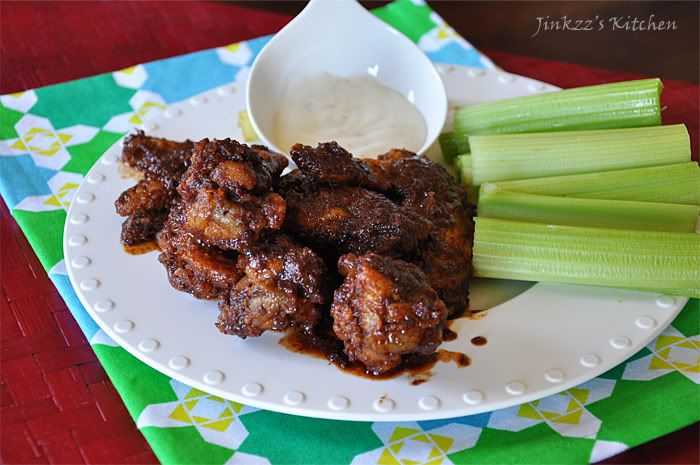
8. Transfer in a serving dish and serve with ranch dressing and slices of celery.

Saturday, May 19, 2012

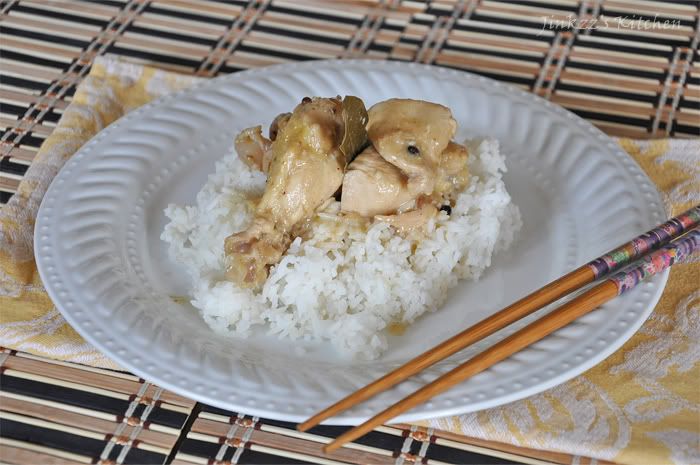
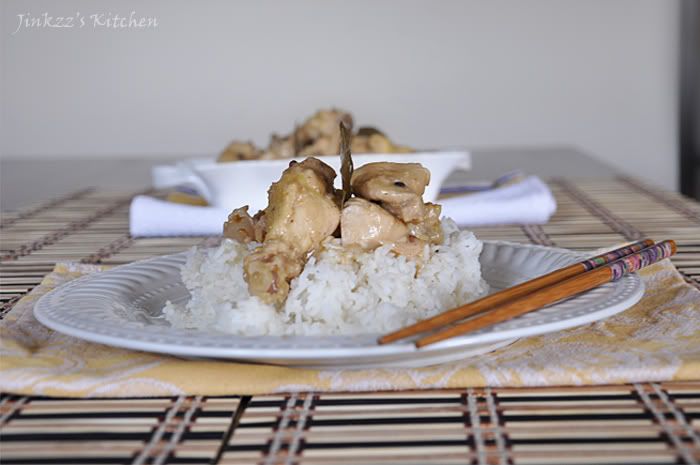
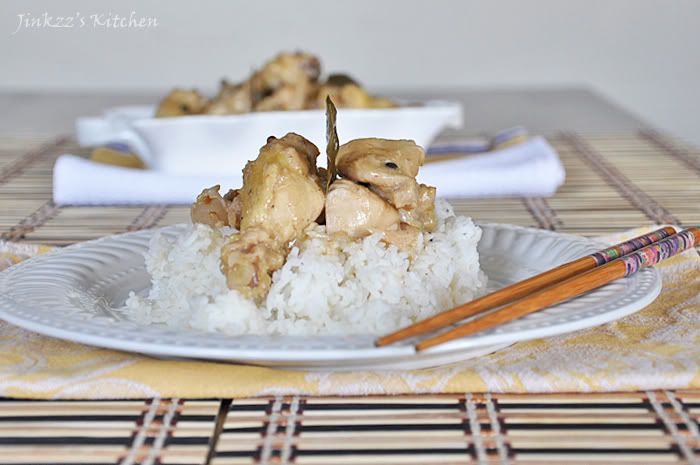
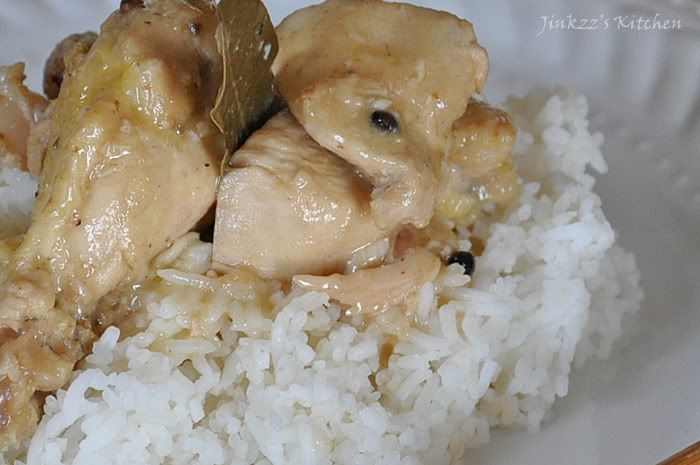
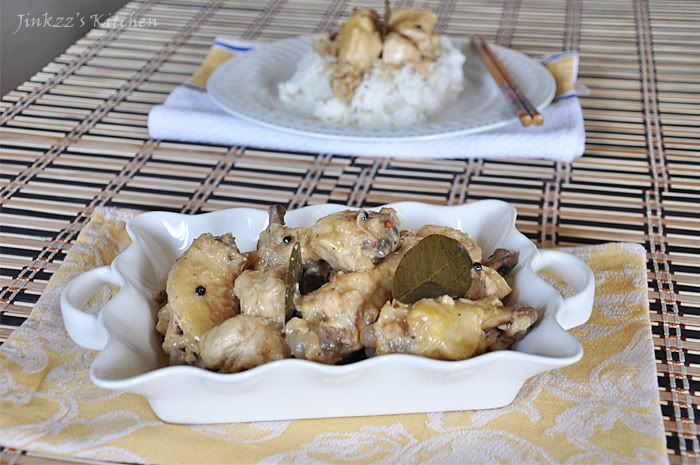
Chicken Adobo in Coconut Milk

Adobo is probably the most famous of all the Filipino dishes. Adobo is a spanish word which means seasoned or marinated dish. There have been so many variation of this dish as there are Filipino dialects. The way this dish is cooked, most often, is dependent on the geographical location where they originated. This is similar to the Korean kimchi which is representative of the Korean cuisine but the preparation, ingredients used, and method of preparation varies from place to place and region to region.


In the Visayan region (Negros Occidental province) of the Philippines where I am from, we usually use a lot of soy sauce to make chicken or pork adobo. Aside from chicken and pork, we also use seafood such as squid to create this dish. Another famous adobo variation that we have in Negros Occidental is apan-apan (in the Ilonggo dialect)or adobong kangkong (in Tagalog). Kangkong is known as swamp spinach in english. Apan-apan though is technically not a typical adobo dish since it uses shrimp paste or bagoong instead of soy sauce.


The dish that I made today is not a typical Visayan recipe since we do not use a lot of coconut milk in our cooking except for the different rice cake dishes. This dish, chicken adobo sa gata, originated from the Quezon province which is located in the upper portion of the country, the Luzon region. This dish is quite easy to make and can either be made spicy or not depending on your preference. The version that I made is a non-spicy variation. To make the dish spicy, you can just add Thai chillies. This dish is delicious with steamed rice.


Ingredients:

2 lbs chicken ( I used a combination of wings and boneless, skinless breast)

1 can coconut milk

1/2 cup white vinegar (you can use less if you prefer it less tangy)

1 medium shallot, finely chopped

3 cloves garlic, finely chopped

1 thumb sized ginger, peeled and sliced thinly

oil for browning

1/4 tsp whole pepper corn

sea salt and freshly ground pepper to taste

3 pieces of bay leaves


1. Slice chicken into bite size pieces.

2. Season with salt and pepper according to taste. Set aside.

3. Heat sauce pan over medium heat and add oil.

4. When oil is hot, add ginger, shallot, and garlic and saute until fragrant and translucent. Add chicken pieces and brown all sides.

5. Let all of the natural juices to evaporate before adding vinegar.

6. Let vinegar boil first before stirring to mix.

7. Add coconut milk, bay leaves, and pepper corn.  Lower the heat to medium low and let it simmer until chicken is tender.  Don't forget to stir occasionally to prevent the bottom from burning.

8. Let the sauce reduce and thicken before removing from heat.

9. Transfer to a serving dish and serve with steamed rice.


Saturday, November 26, 2011

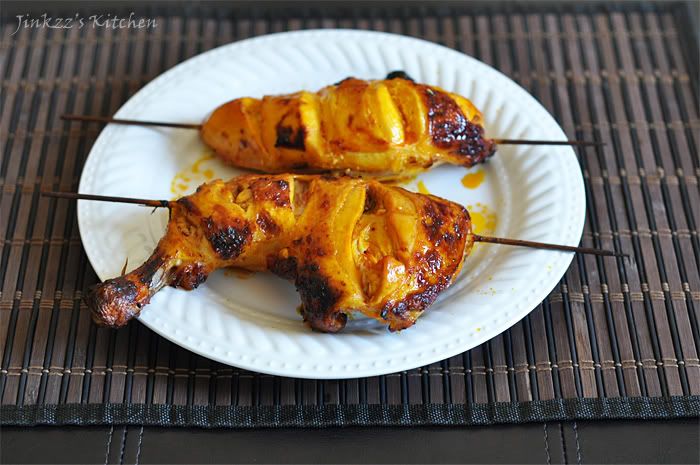
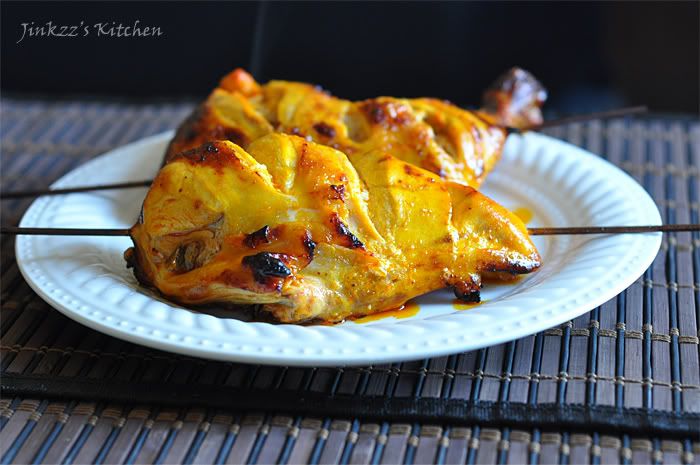
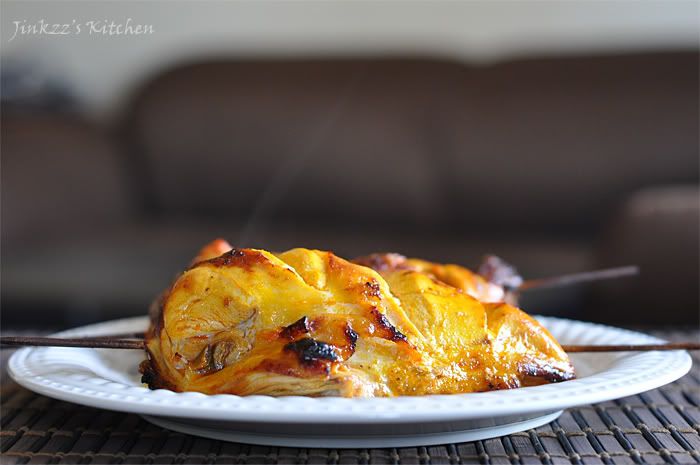
Bacolod -Style Chicken Inasal


Chicken inasal is the quintessential Bacolod food that I can probably eat every single day when I am in Bacolod. There is just something about it that brings back tons of memories. The best chicken inasal,in my opinion, are those that are served at Manokan Country in reclamation area which is now fronting SM Mall. Ahhh...chicken inasal with kalamansi and soy sauce as sawsawan and eaten with rice that has been sprinkled with annatto oil and a little salt....yummy... especially if you eat it with your bare hands.

Bacolod-style chicken inasal is slightly unique from chicken barbeque found in other parts of the Philippines in the sense that it does not have any soy sauce in its marinade. Instead, the marinade is usually made up of 7-up, vinegar, salt, pepper, garlic, and lemon grass. The basting liquid is also unique as it uses annatto seeds, butter, and oil. The annatto seeds lends the dish its characteristic yellowish hue or coloring. One thing though that makes chicken inasal that are found in Bacolod better and cannot be replicated here in the States is the fact that they use native chickens. Native chicken are a lot less leaner than those that are sold in the regular US supermarket but despite its lean flesh, the taste is unparalled in the sense that it is a lot tastier than its plumpier American counterpart. Having said that, this recipe is as close as I can get to a Bacolod-Style chicken inasal without having to jump on the plane and spend caboodles of money everytime the craving for chicken inasal hits me :)

Ingredients:

2 chicken leg quarters
1 whole chicken breast, cut into half
4 bamboo skewers.

Marinade:

1 cup sugarcane vinegar
1 1/2 cups 7-up (or sprite, if you prefer)
2 inch sized ginger, peeled and sliced thinly
3-4 stalks of lemongrass (leaves and stalks), cut into 5-6 inches length then bruised using the back of a knife
3-4 cloves garlic, peeled and chopped finely
1/2 cup freshly squeezed Kalamansi (Philippine lime)juice
sea salt and ground white pepper, according to taste

1. Make several deep cuts into the chicken meat to ensure even marination.
2. Combine all the ingredients for marinade in a non-reactive container then add chicken.
3. Marinate for a minimum of an hour or overnight. Turn the meat over several times during the marination process.
4. When ready to cook, turn on the grill or preheat the broiler to high.
5. Soak the bamboo skewers in a pan of water for at least 15 minutes or more.
6. Skewer the chicken meat and baste with annatto oil basting liquid.
7. Place skewered chicken in the grill or broiler. Make sure you keep an eye on it to prevent meat from burning. Baste with basting liquid several times during the cooking process to prevent meat from drying out.
8. When one side is done, turn the other side over and cook until slightly golden in color, or until the internal temperature of the thickest part of the chicken meat reaches about 165F.
9. Remove from heat, let it cool slightly before serving. Place in a serving plate and serve with kalamansi-soy sauce dipping sauce


Basting liquid:

1/2 cups cooking oil
3 Tbsp butter (or less if you prefer)
salt, according to taste
2 Tbsp annatto seeds

1. Heat oil in asauce pan over medium heat.
2. Add butter until melted.
3. Add annatto seeds and stir until color is extracted (about 5 minutes).
4. Add salt according to taste and then remove from heat. Let it cool and transfer to a covered container and store until ready to use.
5. Use this to baste chicken inasal while cooking.

Dipping Sauce:

1 Tbsp Kalamansi juice
3-4 Tbsp soy sauce
1/2 Tsp spiced vinegar, optional

1. Combine all ingredients. Set aside until ready to use.
*** you may adjust the proportion according to your preference.

Wednesday, October 26, 2011

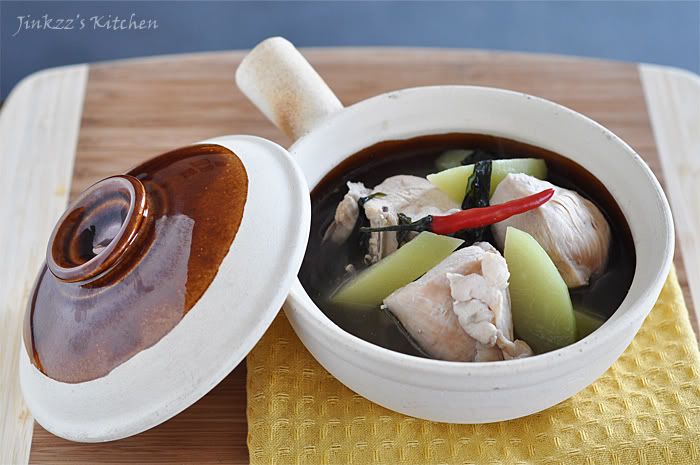
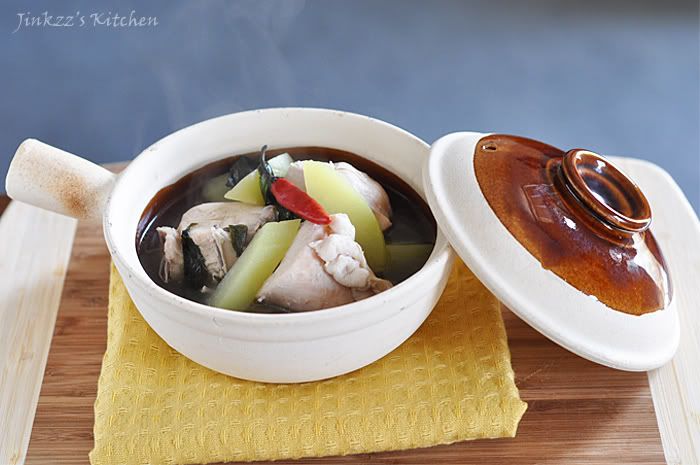
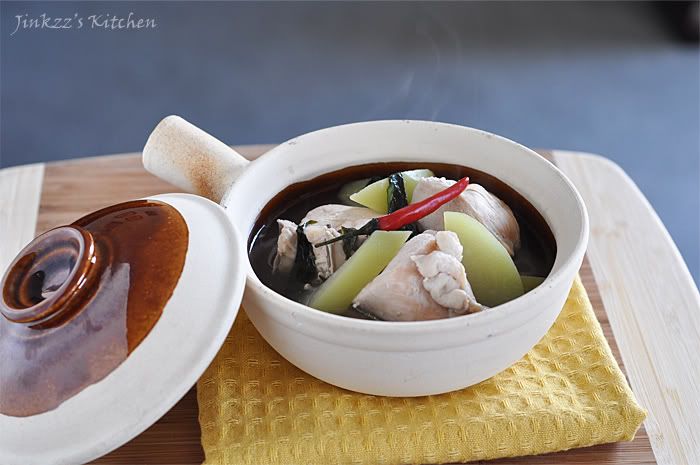
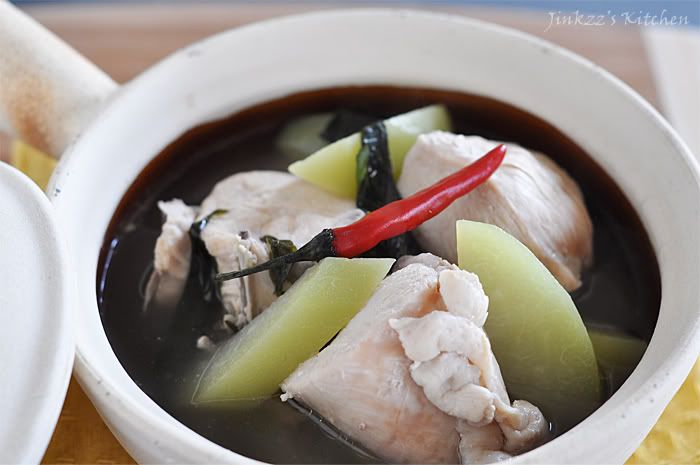
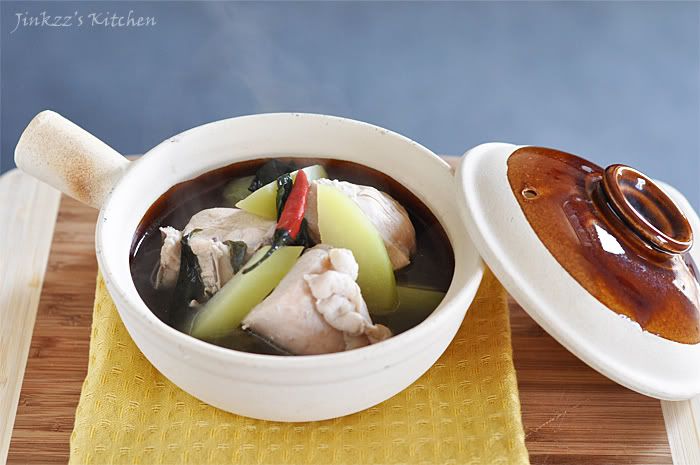
Tinolang Manok (Chicken with Papaya and Ginger)


Tinolang manok is a common Filipino dish that can be found in a lot of different islands of the Philippines. It is a soup mad up of chicken, green (unripe) papaya, pepper leaves, and ginger. Green or unripe papaya are available at most of the Asian markets. If green papaya is not available, you can substitute it with chayote which is readily available at the regular supermarket. You can also substiture pepper leaves with malunggay leaves. Both are usually available at the Filipino market in the freezer section. You can just thaw them out and add to the dish or do like I do, add it frozen while cooking the soup and let the heat thaw it out.

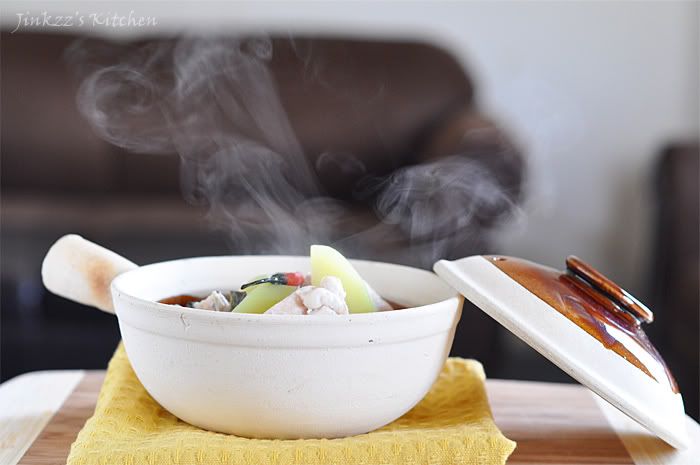
This is another dish that is appropriate for fall or winter because it will help warm you up. It is also healthy and nutritious as well as delicious. Filipinos usually eat this warm with piping hot bowl of rice...yummy...Leftovers, if any, can be stored in the refrigerator and heated on the stove or microwave.

Ingredients:

2 - 3 lbs chicken, cut into serving pieces
1 small unripe (green) papaya or 2 chayote, peeled and seeded then sliced.
2 inch ginger, peeled and sliced thinly
1 small onion, sliced
3 cloves garlic, chopped
1 package frozen pepper leaves
3 Thai chillies, whole
salt and pepper to taste
1 Tbsp fish sauce
oil

1. Heat pan over medium heat then add oil.
2. Add ginger, garlic, and onion. Saute until translucent and fragrant
3. Add chicken and saute until brown.
4. Add enough water to cover the chicken then simmer until chicken is tender.
5. Add papaya slices and continue to cook until tender.
6. Add Thai chili and frozen pepper leaves and simmer until thawed or 2-3 minutes if already thawed.
7. Season with fish sauce, salt, and pepper then remove from heat.
8. Transfer to a serving dish and serve warm.

Tuesday, October 25, 2011

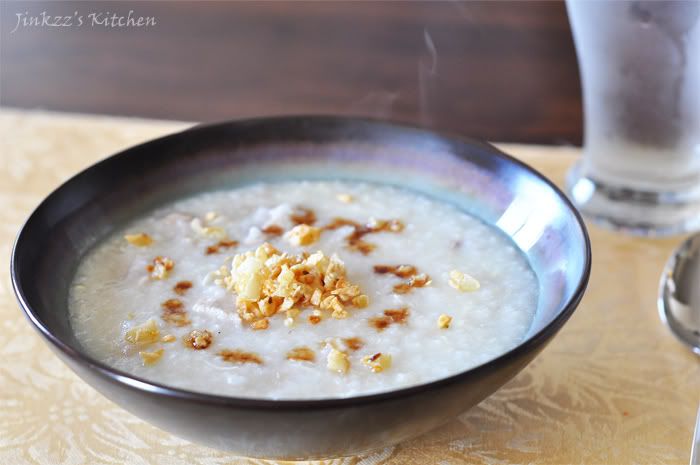
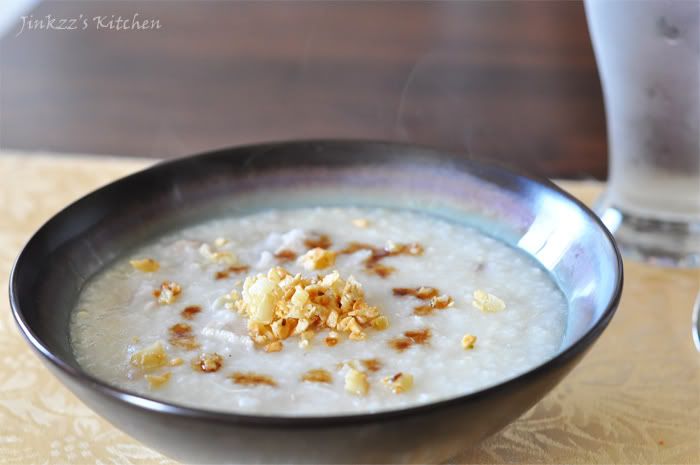
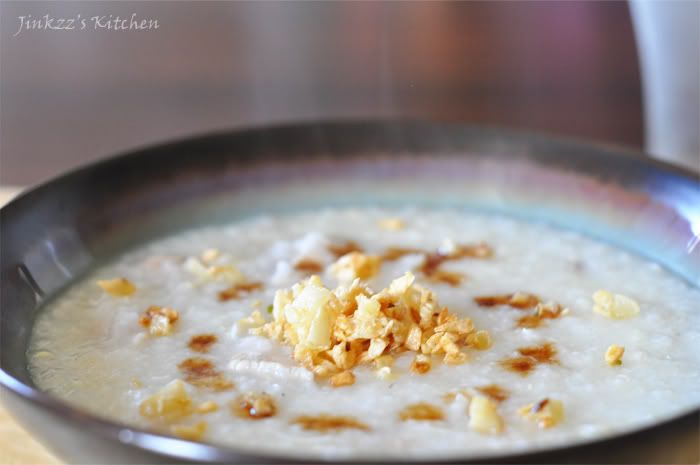
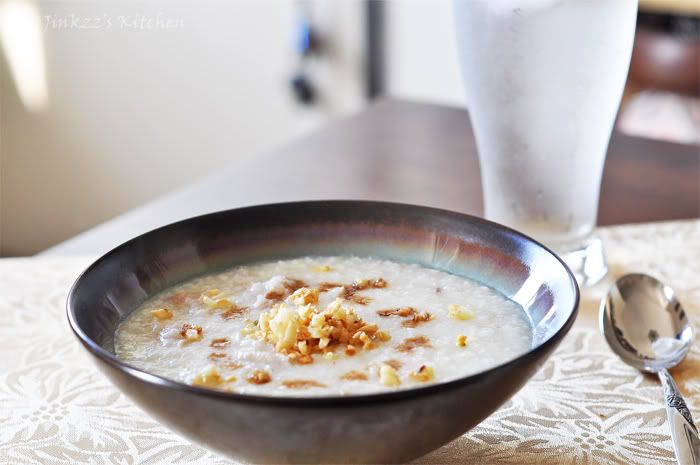
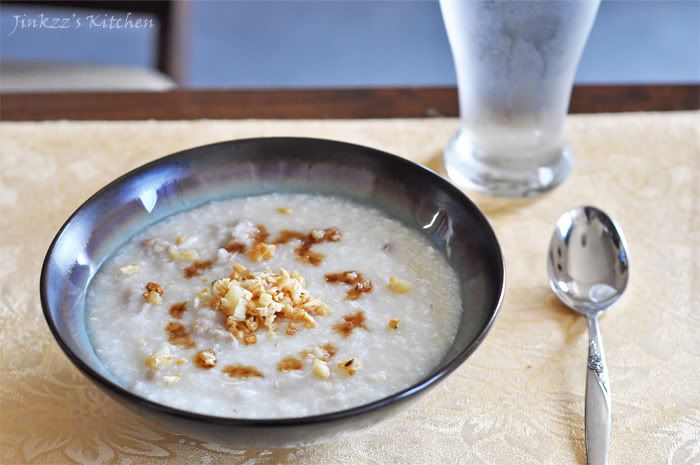
Arroz Caldo (Rice Porridge)


I am feeling a little down today so I made some arroz caldo to help lift my mood up a little bit. Arroz caldo (rice porridge) is the Filipino equivalent to chicken noodle soup. This dish is usually served to someone who is sick but also makes for a light meal or snack. This is the quintessential Filipino comfort food. Eating this dish just reminds me of home, family, of rainy days...

Arroz caldo is made by boiling rice until it becomes soft and thick. Addition includes eggs, chicken, garlic, onion, and ginger. It is seasoned with salt, pepper, and a little soy sauce. This dish is served warm with toppings such as fragrant fried garlic, a few drops of knorr liquid seasoning, and chopped green onions.

Arroz caldo is perfect for rainy days and fall because it is served warm. Aside from that, it also invokes warm memories of the not-so-distant past for me. It also gives me warmth and comfort when things are not going the way I want them to go...

Ingredients:

1 cup uncooked jasmine rice
1/2 lb chicken, cut into 1/2 inch cubes
2 inches ginger, peeled and sliced thinly
1 small onion, chopped
3 cloves garlic, chopped finely
1 Tbsp soy sauce
sea salt and freshly ground pepper
1 egg, beaten slightly
6 cups water
oil for sauteeing

Topping (optional)

sliced hard-boiled egg
crispy fried garlic
a few drops of knorr liquid seasoning or soy sauce
chopped green onions


1. Heat pan over medium heat then add oil.
2. Add ginger garlic, and onions and saute until fragrant and translucent.
3. Add chicken and saute until brownish in color.
4. Add rice and continue to saute for about 3-4 minutes
5. Add water and bring to a boil then simmer until rice is soft and chicken is cooked. If needed, add more water. Stir occasionally to prevent bottom from burning.
6. Season with soy sauce, salt, and pepper according to taste.
7. Add beaten eggs while stirring mixture to distribute eggs evenlly and cook for another minute or two more.
8. Remove from heat and transfer to serving dish.
9. Top with toppings, if desired.

Friday, October 7, 2011

Easy Arroz Valenciana


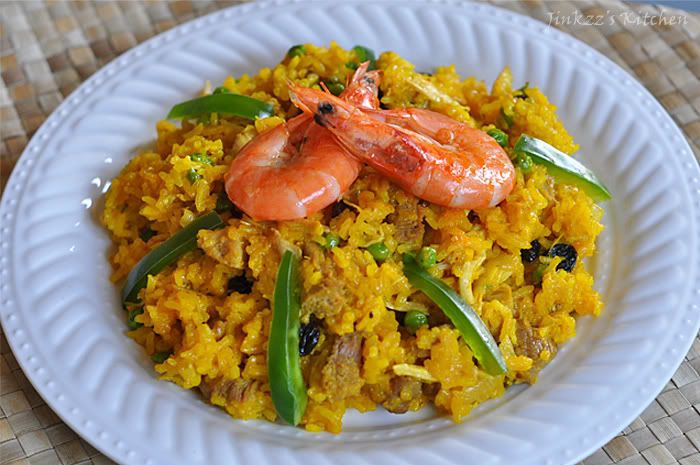
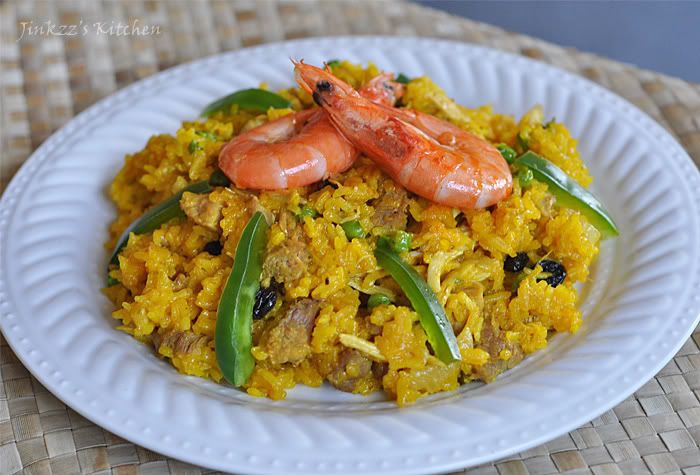
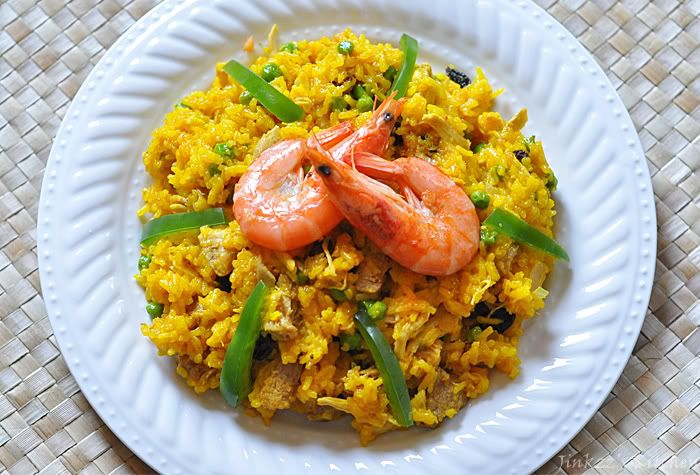
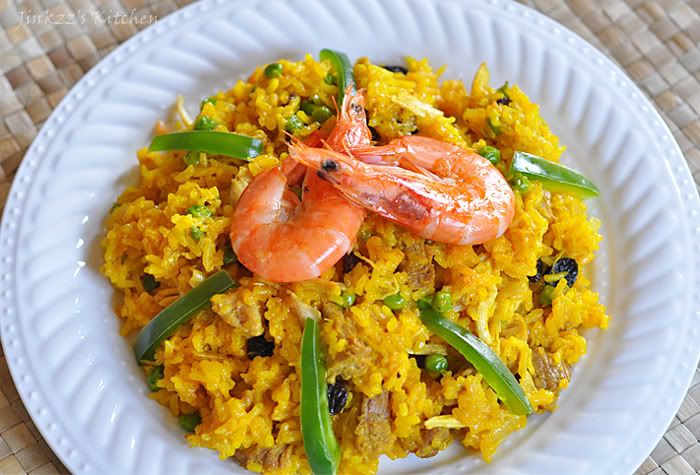
Arroz valenciana is one of the many dishes that is popular in the Philippines, particularly in Negros Occidental where my family is from. It is almost always present in gatherings. The dish uses glutinous or sweet rice, turmeric powder, pork, pork liver, chicken, peas, raisins, and bell pepper.


The process of cooking arroz valenciana can be intricate and laborious if you take the long way since you have to make sure that the rice is cooked well. This meant stirring it constantly to make sure that it is evenly cooked and to prevent the bottom from getting burned. That is just too much work for me so I used to stay away from making this dish. When I first came to the States (which was ages ago), I stayed with my aunt in New Jersey and that's where I learned how to make arroz valenciana the easy way. The first secret is cooking the rice in a rice cooker. The second is using chicken broth instead of water to cook the rice which eliminates having to season or making sure that the dish is evenly seasoned. The third is to boil the meat separate then slicing it. The last one can be done ahead of time and can be kept in the refrigerator until needed.


Ingredients:

3-4 cups glutinous (sweet) rice
chicken broth (enough to cook the rice and then some for cooking the rest of the ingredients)
1/4 lb pork, sliced
1/2 chicken breast, boiled and hand shredded
1/4 lb pork liver, sliced
1/4 lb shrimp, deveined and shelled
1/2 cup frozen peas
1/4 cup raisins
1 small onion, chopped
3 cloves garlic, chopped
1 small bell pepper, sliced thinly
sea salt and pepper, to taste
1 - 2 Tbsp oil for sauteeing
2 tsp turmeric powder
2 hard bolied eggs, sliced into wedges (optional)


1. Place rice and turmeric powder in a rice cooker. Add enough chicken broth to cook the rice. Stir half way through the cooking process to make sure that turmeric is incorporated into the rice evenly.
2. Boil chicken breast, pork, pork liver in a pan until tender. Let it cool and then slice/ shred.
3. Heat oil in a large pan. Addonion and garlic and cook until fragrant and translucent.
4. Add shrimp and saute until it turns orange. Add sliced/shredded meat and saute until heated through.
5. Add about 1 cup of chicken broth, peas, and raisin. Simmer until raisins has plumped up and peas is heated through. Don't worry if there is a little too much liquid because the rice will soak it up.
6. Add bell pepper and cooked rice mixture. Mix well.
7. Adjust seasoning as needed and according to taste.
8. Transfer to a serving platter and decorate with shrimps and/or hard boiled egg wedges. Serve warm.

NOTE: You can leave the shrimp shells on if you like. If you leave out the liver if you want.

Saturday, December 11, 2010

Chicken Salad


Ingredients:

2 cups shredded chicken breast
3/4 cup Mayonnaise ( you can add more if you want)
1 1/2 Tbsp Pickle Relish
1 to 1 1/2 cups red seedless grapes, quartered
1 to 1 1/2 Tbsp sugar
1/2 cup thinly sliced almonds

1. Boil chicken breast until tender. Let it cool then shred thinly
2. Add mayonnaise, pickle relish, sugar, grapes and almond to the chicken.
3. Mix thoroughly.
4. Served on lightly toasted bread or on top of crackers.

Thursday, March 25, 2010

Sam Gye Tang ( Korean Ginseng Chicken Soup)


Sam Gye Tang (Ginseng Chicken Soup)

1 whole chicken, cleaned

2 ginseng

10 pieces dried jujube ( daechu)

4-5 pieced dried chestnuts

4-5 cloves of garlic, crushed and peeled

1/4 cups sweet or sticky rice


1. wash and then pat dry your chicken, trim off excess fat ( I usually buy my chicken from the Korean market since it is smaller and leaner)

2. stuff the cavity with sweet rice ( Uncooked) , garlic and chestnuts.

3. place stuffed chicken in a large pan and fill with enough water to cover the chiken.

4. add the chestnuts, garlic, ginseng and jujube.

5. set the stove to medium heat and bring to a boil. After 30 minutes or so, skim the fat off the top and continue boiling.

6. boil for another 20-30 minutes more, check the chicken to make sure it is done ( the flesh falls off the bone easily)

7. serve with salt and pepper.

*** You can buy Sam Gye Tang kit from the korean market.

*** serve with kkakdugi ( Radish Kimchi)